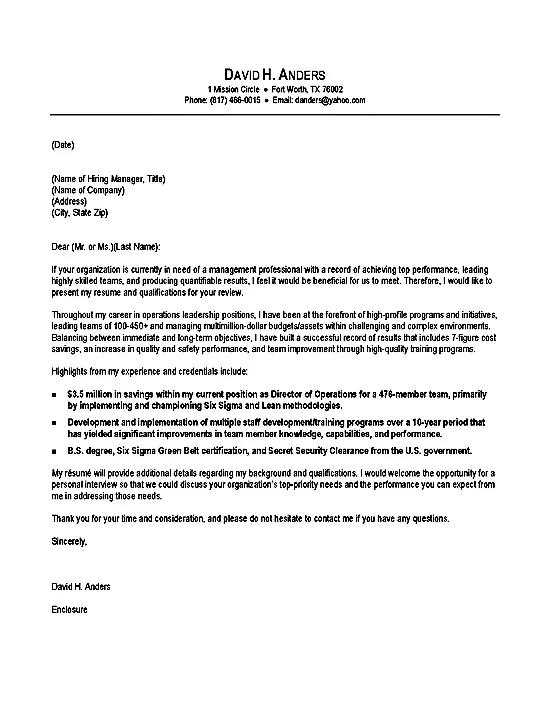
Why Your Cover Letter Matters for Government Jobs
In the competitive landscape of government job applications, a well-crafted cover letter can be your key to unlocking the door to your dream role. Unlike private sector jobs, government positions often have a more rigorous application process. The cover letter provides a crucial opportunity to showcase your qualifications, skills, and understanding of the agency’s mission. Many government positions receive a high volume of applications, and a strong cover letter helps you stand out from the crowd. This document isn’t just a formality; it’s your chance to make a memorable first impression and convince the hiring manager that you are the perfect fit for the job. It’s your personalized introduction to the hiring manager, giving you space to elaborate on your skills in a way a resume cannot.
Highlighting Your Skills and Experience
Your cover letter should clearly articulate your skills and experience that align with the job description. Identify the key requirements listed in the job posting and provide specific examples of how you’ve demonstrated those skills in previous roles or experiences. Use action verbs to describe your accomplishments and quantify your achievements whenever possible. For instance, instead of saying you ‘managed projects’, state that you ‘managed and successfully completed five projects within budget and ahead of schedule’. This level of detail shows that you’ve understood and accomplished the role’s responsibility.
Tailoring Your Cover Letter

Avoid using a generic cover letter template. Each government job application requires a tailored approach. Research the specific agency, understand its mission and values, and align your cover letter to reflect this understanding. Demonstrate that you’ve carefully read the job description and that you understand the specific requirements. Address the specific requirements mentioned in the job posting, and explain how your skills and experience align with those requirements. This personalization shows that you are genuinely interested in the position and have taken the time to understand the agency’s needs.
Addressing the Specific Requirements
Government job postings often list specific requirements, such as knowledge of certain regulations or experience with particular software. In your cover letter, directly address these requirements. Provide clear examples of how you’ve met these requirements in the past. If the job posting asks for specific examples, be sure to provide them. Your cover letter should act as proof of your capabilities. This approach ensures that you meet the selection criteria and makes it easy for the hiring manager to assess your qualifications. Ensure your language reflects the language used in the job description.
Showcasing Your Knowledge of the Agency
Demonstrate your knowledge of the agency’s mission, values, and recent initiatives. Mentioning specific projects or initiatives that resonate with your values can help you connect with the hiring manager. Researching the agency beforehand will allow you to use relevant keywords or phrases in your cover letter. Showing that you understand the agency’s goals and challenges shows that you are more than just a candidate; you’re a prospective team member who is genuinely interested in contributing to the organization. This type of research takes extra effort and can set you apart.
Formatting Your Government Cover Letter

The formatting of your cover letter is just as important as its content. Government jobs often follow strict formatting guidelines, so adhering to these demonstrates your attention to detail and professionalism. Ensuring your letter is well-organized and easy to read makes a positive impression and allows the hiring manager to quickly grasp your key qualifications.
Choose the Right Font and Layout
Select a professional and readable font, such as Times New Roman, Arial, or Calibri, with a font size between 10 and 12 points. Use standard margins (1 inch on all sides) and single-spacing for the body of the letter. Structure your letter with clear paragraphs and use headings and subheadings to break up large blocks of text. This makes your cover letter easy to navigate and read quickly. Make sure the layout is clean and uncluttered.
Use Clear and Concise Language
Avoid jargon, overly complex sentences, and overly formal language. Write in a clear, concise, and straightforward manner. Use active voice to make your writing more engaging. Keep your sentences short and to the point. Be direct, and avoid being vague. Government hiring managers appreciate directness and clarity. Focus on conveying your message efficiently and effectively.
Proofread for Errors

Thorough proofreading is critical. Typos, grammatical errors, and spelling mistakes can undermine your credibility. Carefully review your cover letter for any errors. Consider asking a friend, family member, or career advisor to proofread it as well. A fresh pair of eyes can often catch mistakes that you might miss. Ensuring your cover letter is error-free demonstrates your professionalism and attention to detail.
The 5 Cover Letter Secrets for Government Jobs
Now that we’ve covered the basics, here are the five secrets to writing a cover letter that will help you land a government job. These secrets are all about highlighting your strengths and showing the hiring manager that you are a strong fit for the role.
Focus on Achievements
Instead of simply listing your responsibilities, focus on your achievements. What results did you achieve in your previous roles? How did you contribute to the success of your previous employers? Use the STAR method (Situation, Task, Action, Result) to structure your examples and provide clear, concise answers. This will show how your skills and experience can contribute to the agency’s mission.
Quantify Your Accomplishments

Whenever possible, quantify your accomplishments. Use numbers to demonstrate the impact of your work. For example, instead of saying that you ‘improved customer satisfaction’, state that you ‘increased customer satisfaction by 15%’. Quantifiable achievements are more persuasive and demonstrate your value. This adds weight to your accomplishments and provides concrete evidence of your skills.
Use Keywords Strategically
Carefully review the job description and identify the keywords. Integrate these keywords naturally into your cover letter. However, avoid keyword stuffing, which can make your letter sound unnatural and detract from your message. Make sure to use keywords within the context of your experience. This will help your application get noticed by applicant tracking systems and hiring managers.
Showcase Relevant Skills
Highlight the skills and experience that are most relevant to the job. If the job requires specific technical skills or experience with certain software or regulations, be sure to showcase your expertise in these areas. Show, don’t just tell. Provide specific examples of how you have used these skills in the past. Make sure that the skills and examples align with the job requirements.
Demonstrate Your Understanding

Show your understanding of the agency’s mission, values, and recent initiatives. Mention any projects or initiatives that resonate with your values and interests. Use keywords and phrases that are specific to the agency or department. Research the agency and demonstrate your knowledge of their goals and challenges. Demonstrating your understanding of the agency will show your dedication to the role and make you a more attractive candidate.
Following Up After Submitting
After submitting your cover letter and resume, follow up appropriately. Send a thank-you email within a week of your interview. If you haven’t heard back within the specified timeframe (or a reasonable amount of time if none is specified), send a brief follow-up email. This shows your continued interest and initiative. Be polite and professional in your follow-up. Reference your application or the job title to help the hiring manager recall your information. These steps could be the differentiating factor in a highly competitive job market.