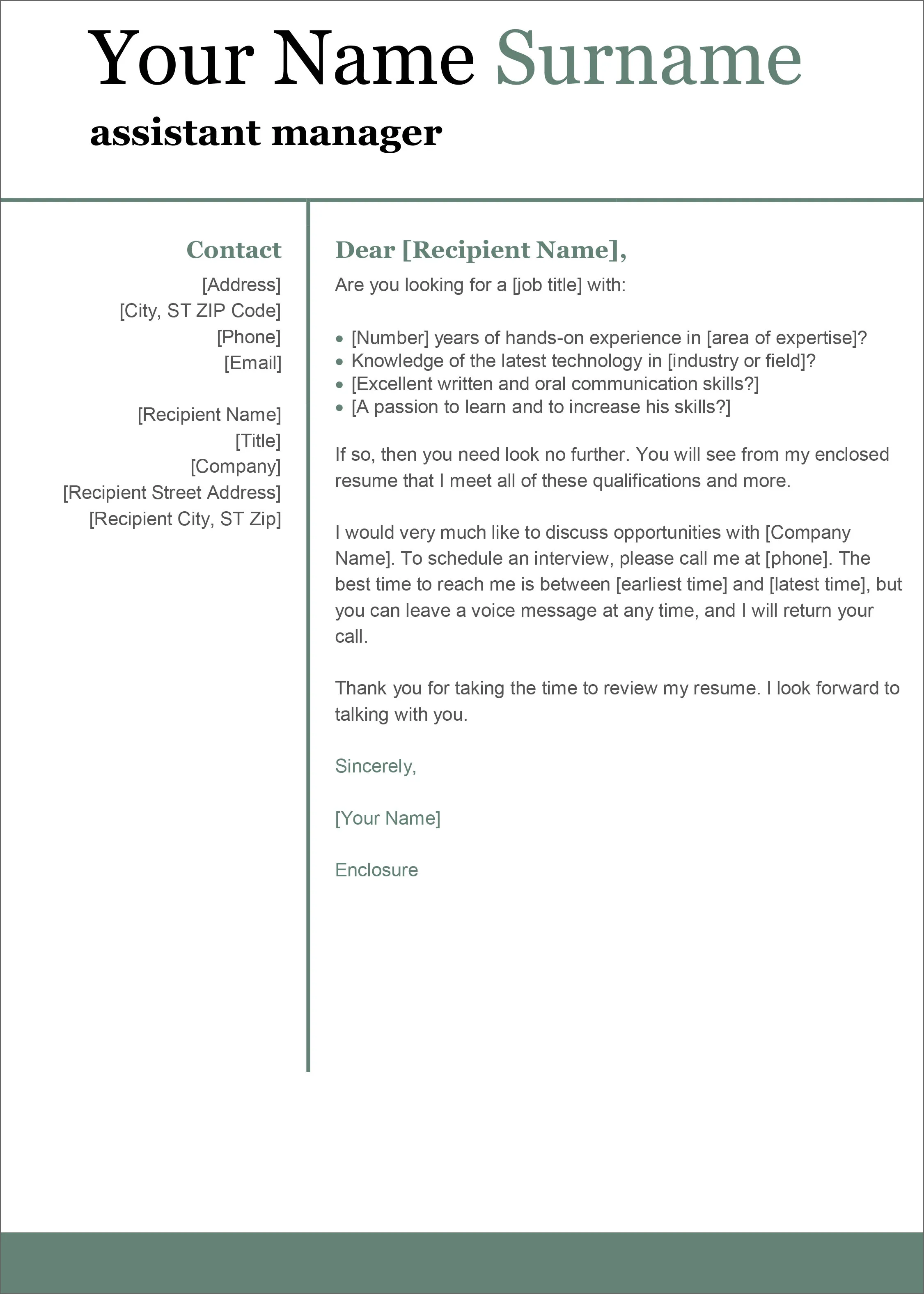
What is a Cover Letter?
A cover letter is a crucial document that accompanies your resume when applying for a job. It serves as a formal introduction, providing context and highlighting the reasons why you are a suitable candidate for the position. Unlike a resume, which is a factual summary of your skills and experience, a cover letter allows you to express your personality, demonstrate your writing skills, and make a compelling case for why you should be considered for an interview. It’s your opportunity to connect with the hiring manager on a personal level and showcase your enthusiasm for the role and the company. It should be tailored to each specific job application, reflecting your understanding of the company’s needs and your ability to meet them. A well-crafted cover letter can significantly increase your chances of getting noticed and moving forward in the hiring process.
Why is a Cover Letter Important?
In today’s competitive job market, a cover letter is often a deciding factor in whether your application gets a second look. It provides an invaluable opportunity to differentiate yourself from other applicants. While your resume lists your qualifications, a cover letter allows you to expand on them, providing specific examples of your achievements and demonstrating how your skills align with the job requirements. It showcases your communication skills, an essential asset in virtually any professional setting. Furthermore, a cover letter allows you to express your genuine interest in the company and the specific role, showing that you have done your research and understand their needs. Many employers use cover letters to assess a candidate’s writing abilities, attention to detail, and overall professionalism. Ignoring the cover letter is a missed opportunity; it can be the key to unlocking the door to your dream job.
Key Components of a Cover Letter

A well-structured cover letter includes several essential components that work together to create a strong and persuasive document. Each element plays a crucial role in conveying your qualifications and interest in the position. Understanding and effectively incorporating these parts is key to making a positive impression on the hiring manager. First, the Contact Information section is necessary to introduce yourself clearly and helps the recruiter to contact you quickly. A professional header shows you are organized and helps the reader to identify who the letter is from. Next, a Personalized Greeting immediately grabs the hiring manager’s attention with a personal greeting. After that, the opening paragraph that explains why you are the perfect fit for the job.
Contact Information
At the top of your cover letter, include your full name, address, phone number, and email address. This information should be clearly displayed and easy to read. Ensure your email address is professional-sounding; avoid using nicknames or informal language. Including your LinkedIn profile URL is also a good practice, as it provides the hiring manager with additional information about your professional background.
Professional Header
A professional header should be included to make your cover letter look more professional. You can start with your contact information. This section should include your full name, and contact information. To make your cover letter stand out, choose the right font and ensure it is easily readable. This is the first visual element of your cover letter, so it is important to make a good impression.
Personalized Greeting

Address your cover letter to a specific person whenever possible. Research the hiring manager’s name and use it in your greeting (e.g., “Dear Mr. Smith”). If you cannot find a specific name, use a professional salutation such as “Dear Hiring Manager” or “Dear [Company Name] Team.” Avoid generic greetings like “To Whom It May Concern,” as they can make your letter seem impersonal. Personalizing your greeting shows that you’ve taken the time to research the company and are genuinely interested in the role.
The Opening Paragraph
Your opening paragraph should immediately grab the reader’s attention. State the position you are applying for and where you found the job posting. Briefly mention why you are interested in the role and the company. Convey your enthusiasm and highlight one or two key qualifications that make you a strong candidate. This initial paragraph sets the tone for the rest of your letter and encourages the hiring manager to keep reading. Use strong, concise language to make a positive first impression, indicating why you’re the perfect fit.
Highlight Your Skills & Experiences
The body of your cover letter is where you elaborate on your skills and experiences. Select the most relevant qualifications from your resume and provide specific examples of how you have demonstrated them in past roles. Tailor your examples to match the job requirements, using keywords from the job description. Explain how your skills and experiences align with the company’s needs. Use the STAR method (Situation, Task, Action, Result) to provide context and showcase your achievements effectively. Be specific, providing quantifiable results whenever possible to demonstrate your impact. Clearly connect your experience to the specific requirements of the job.
Quantify Your Achievements

Whenever possible, quantify your achievements to make your accomplishments more impactful. Instead of saying “Improved customer satisfaction,” state “Increased customer satisfaction by 15% through the implementation of a new feedback system.” Use numbers, percentages, and statistics to demonstrate the tangible results of your work. Quantifying your achievements shows the hiring manager the value you bring to the table and provides concrete evidence of your abilities. It also makes your accomplishments more memorable and persuasive. Providing specific metrics makes your claims more credible and showcases your ability to deliver results. Be sure that the numbers you use are accurate and reflect your true accomplishments.
Demonstrate Your Passion and Fit
Expressing your passion for the role and the company is crucial. Explain why you are genuinely interested in the position and what excites you about the opportunity. Research the company’s mission, values, and recent projects to demonstrate your understanding of its goals. Connect your own values and career aspirations with the company’s culture. Demonstrate your desire to contribute to the company’s success. Show how your skills align with the company’s culture and needs. Use this opportunity to showcase your enthusiasm for the role and the company.
The Closing Paragraph
Your closing paragraph should reiterate your interest in the position and the company. Reiterate your enthusiasm for the role and summarize why you are a strong fit. Your closing paragraph should not only reiterate your interest, but also outline what you hope to gain from the position. Thank the hiring manager for their time and consideration. Include a call to action, such as inviting them to contact you for an interview or providing a way to reach you. This concluding paragraph reinforces your interest, leaves a lasting impression, and encourages the next step in the hiring process.
Express Gratitude and Call to Action

End your cover letter by thanking the hiring manager for their time and consideration. Express your appreciation for the opportunity to apply for the position. Include a call to action, such as inviting them to contact you for an interview. Provide your contact information again to make it easy for them to reach you. Concluding with a clear call to action and a statement of gratitude demonstrates professionalism and initiative.
Cover Letter Format and Layout
The format and layout of your cover letter are critical for readability and professionalism. A well-formatted cover letter is easy to read and visually appealing. It shows that you pay attention to detail and are organized. Formatting helps emphasize important information and makes it easy for the hiring manager to understand your key qualifications. Select a clear, professional font and maintain consistent formatting throughout your document. Avoid using flashy or overly decorative fonts. Use a professional layout that includes appropriate margins, spacing, and alignment.
Choosing the Right Font and Size
Choose a font that is easy to read and professional. Common fonts like Times New Roman, Arial, Calibri, and Helvetica are all good choices. Keep the font size between 10 and 12 points for the body text, and use a slightly larger font size for your name and address at the top. Ensure that the font size is appropriate for readability. Avoid using fonts that are too small or too large, as they can make your cover letter difficult to read. Maintaining a consistent font and size throughout the document enhances the overall professional appearance.
Formatting for Readability

Proper formatting enhances readability and makes your cover letter more accessible. Use 1-inch margins on all sides of the document. Single-space the body of your letter, and use a double space between paragraphs. Use left alignment, and avoid centering the text. Consider using bullet points to highlight key skills or accomplishments. Ensure the spacing is consistent throughout the document, and use clear headings and subheadings to break up large blocks of text. Using these formatting techniques makes it easy for the hiring manager to quickly scan your cover letter and find the information they need.
Cover Letter Templates - Free to Download
Using free cover letter templates is an excellent way to streamline the writing process and ensure your cover letter is professionally formatted. Many websites offer a wide variety of templates that you can customize to fit your needs. These templates often provide pre-written sections and formatting guidelines, making it easier to create a compelling cover letter quickly. Many job seekers find the templates helpful, and they are free. Many templates are easily editable, meaning you can change the content to reflect your own skills and experiences. Downloadable templates save time and make it easier to follow the professional formatting best practices.
Template 1 [Example]
This template includes a clean, modern design with clear sections for contact information, greeting, opening paragraph, skills, and closing. It is suitable for a wide range of job applications. This template is easy to use and can be downloaded in various formats (e.g., Word, PDF). It offers flexibility and provides a solid foundation for your cover letter. It uses a simple design that is easy to read and easy to customize to fit your own needs. With this template, you are sure to make a positive impression on the hiring manager.
Template 2 [Example]

A more creative template is suitable for roles in design, marketing, or other creative fields. It features a slightly more stylized layout and includes space for a personal branding statement or a visual element. This template helps you showcase your personality and creativity. It allows you to highlight your unique skills and experiences. This template is very customizable and can be downloaded in various formats. You can tailor it to meet your needs. You will be sure to impress the hiring manager.
Template 3 [Example]
Designed for entry-level applicants and recent graduates, this template prioritizes clarity and conciseness. It highlights education, skills, and any relevant internships or projects. This template provides a clear structure and is easy to modify. It is great for those who have little work experience. This template is very adaptable and can be easily customized to include education, volunteer experience, and projects. Customize it today and land that interview.
Template 4 [Example]
This template emphasizes experience and accomplishments. It’s suitable for experienced professionals looking to highlight their career progression and specific achievements. This format is very professional and puts your best foot forward. It is easy to edit and modify to meet your own specific needs and experiences. It is great for demonstrating impact and driving results. With this template, you can clearly convey your accomplishments and your impact.
Template 5 [Example]

Tailored for specific industries or roles. It includes sections for relevant skills, accomplishments, and a personalized pitch. It’s suitable for industries such as technology, healthcare, and finance. This is a very specific template that provides an easy way to tailor to different industries. It includes all the information you will need, and is easy to customize. You will be sure to stand out with this template.
Tips for Customizing Cover Letter Samples
Using cover letter samples as a starting point can be extremely helpful, but it’s essential to customize them to reflect your unique skills and experiences. Adapting samples ensures your letter stands out from other applicants and accurately represents you. Personalization is crucial; a generic cover letter will not impress the hiring manager. Customization is key to crafting a cover letter that reflects your individual qualifications and enhances your chances of landing an interview. Always remember to tailor your cover letter to each job you apply for.
Tailor to the Specific Job
The most important tip is to tailor your cover letter to the specific job description. Carefully review the job requirements and identify the key skills and experiences the employer is seeking. Use keywords from the job description throughout your cover letter. Highlight your relevant skills and provide examples of how you have demonstrated them in previous roles. Tailoring your cover letter shows the hiring manager that you understand the requirements and are a good fit for the position. Always customize your cover letter to align with the specific needs of the job. By showing that you have read the job description, and you are the right candidate for the job. This level of customization demonstrates your attention to detail and your genuine interest in the role.
Proofread Carefully
Proofreading your cover letter is essential. Errors in grammar, spelling, or punctuation can create a negative impression and undermine your credibility. Carefully review your cover letter multiple times, and consider using grammar-checking software. Ask a friend or family member to proofread your letter as well. Taking the time to proofread your cover letter shows that you pay attention to detail and that you value quality and professionalism. Proofreading is essential because a few mistakes can be a red flag for potential employers. Always make sure your letter is error-free.
Seek Feedback
Get feedback on your cover letter from trusted sources. Ask career counselors, mentors, or friends to review your letter and provide constructive criticism. Their feedback can help you identify areas for improvement, such as clarifying your language, highlighting relevant skills, or improving the overall flow of your letter. Incorporating feedback is an important step in ensuring that your cover letter is effective. Seek feedback to ensure that your cover letter effectively communicates your qualifications and demonstrates your genuine interest in the role.
Common Mistakes to Avoid
Avoiding common mistakes is critical to making a positive impression. Cover letters filled with errors can negatively impact your chances of getting the job. Poorly written letters can leave the wrong impression on a potential employer. Recognizing and avoiding common pitfalls enhances your credibility and professionalism. Avoiding these mistakes will significantly improve the effectiveness of your application.
Typos and Grammatical Errors
Typos and grammatical errors can undermine your professionalism and make it appear that you don’t pay attention to detail. Always proofread your cover letter carefully. Use grammar-checking software to catch errors. Consider having someone else review your letter for mistakes. Typos and grammar errors can damage your application. Taking the time to proofread your letter shows that you are a detail-oriented individual. Always review for accuracy.
Generic Content
Avoid using generic content that is not tailored to the specific job. A cover letter that could be sent to any employer shows that you are not genuinely interested in the role. Always customize your cover letter to match the job description. Explain why you are interested in the company and why you are the right fit. Showing that you have read and understood the job description can make your letter stand out. Employers can recognize generic content, and will most likely disregard the application.
Lack of Personalization
Failing to personalize your cover letter is another common mistake. Address your letter to a specific person whenever possible, and research the company to show your interest. Demonstrate that you have an understanding of the company’s goals and values. Personalization shows that you have taken the time to learn about the company. Avoid sending a cover letter that is not personalized, and always make sure your letter stands out.
Cover Letter Samples - Industry Specific
Different industries have different expectations for cover letters. Be sure to research the specific standards for the field you’re applying to. Focus on the skills and experiences most valued in the industry. Consider using industry-specific keywords in your letter. Tailor your language and tone to match the industry culture. These can be found by doing your research. These can range from marketing to medical fields, and everything in between.
Cover Letter Samples - Entry-Level
For entry-level positions, focus on your education, relevant coursework, internships, and any volunteer work. Highlight any transferable skills you have gained, such as communication, problem-solving, and teamwork. Tailor your letter to the specific requirements of the role. Be sure to include your accomplishments to the employer. Consider this a starting point for your career. Take the time and consideration needed to make your cover letter stand out.
Cover Letter Samples - Experienced Professionals
Experienced professionals should highlight their career progression and key accomplishments. Quantify your achievements with numbers and statistics whenever possible. Tailor your letter to showcase your leadership, management, or specialized skills. Show a clear picture of your career journey and how it aligns with the job requirements. Be sure to provide examples and make it clear why you are the best person for the job. Make sure you are including all relevant experiences.
Where to Find More Cover Letter Samples Free
There are many online resources that offer free cover letter samples and templates. Websites such as Indeed, Resume.com, and LinkedIn offer vast collections of cover letter samples that cater to various industries and roles. Other websites such as careerbuilder.com and zety.com also provide free resources for job seekers. Make sure you are using the best resources, and take the time to edit to meet your specific needs. Look for free templates and samples to assist with your own needs.
In conclusion, cover letters are an important part of the job application process. They allow you to showcase your skills, highlight your qualifications, and express your genuine interest in the role and company. Free templates are available and should be used. By following the key components, customizing samples, avoiding common mistakes, and leveraging online resources, you can create a compelling cover letter that helps you stand out from the competition and land your dream job. Remember to always tailor your letter to each specific job, proofread carefully, and seek feedback to create a strong application.