Cover Letter Mastery
As a recent college graduate, you’re embarking on an exciting yet challenging journey: the job search. While your resume provides a snapshot of your qualifications, a well-crafted cover letter is your opportunity to truly shine. It’s your first impression, your chance to demonstrate not only your skills and experience but also your personality, enthusiasm, and genuine interest in the specific role and company. Mastering the art of the cover letter is essential for standing out from the crowd and making a lasting impact on potential employers. This guide will walk you through the essential elements, providing you with the knowledge and strategies to create cover letters that impress, captivate, and ultimately, land you your dream job.
Understanding the Purpose of a Cover Letter
The primary purpose of a cover letter is to introduce yourself, express your interest in the position, and persuade the hiring manager to read your resume. It’s not simply a repetition of your resume; rather, it’s a dynamic narrative that connects your skills, experiences, and aspirations with the requirements of the job and the needs of the employer. It allows you to tell your story, showcasing your unique value proposition and explaining why you’re the perfect fit for the role. A strong cover letter demonstrates your communication skills, your attention to detail, and your genuine interest in the opportunity.
Why a Cover Letter is Crucial for Grads

For college graduates, a cover letter is even more critical. You may have limited professional experience, making it challenging to stand out. A cover letter provides a platform to highlight your academic achievements, relevant projects, internships, and any transferable skills you’ve gained. It allows you to explain the context of your experiences, elaborate on your skills, and demonstrate how they align with the job requirements. It’s your chance to bridge the gap between your education and your professional aspirations and to convince the hiring manager that you possess the potential and the drive to succeed.
Key Components of a Cover Letter
A compelling cover letter consists of several key components, each playing a crucial role in conveying your message effectively. A well-structured cover letter not only provides the essential information but also creates a cohesive and engaging narrative that captures the reader’s attention and encourages them to learn more about you. Mastering these components will significantly increase your chances of making a positive impression and securing an interview.
Contact Information and Date
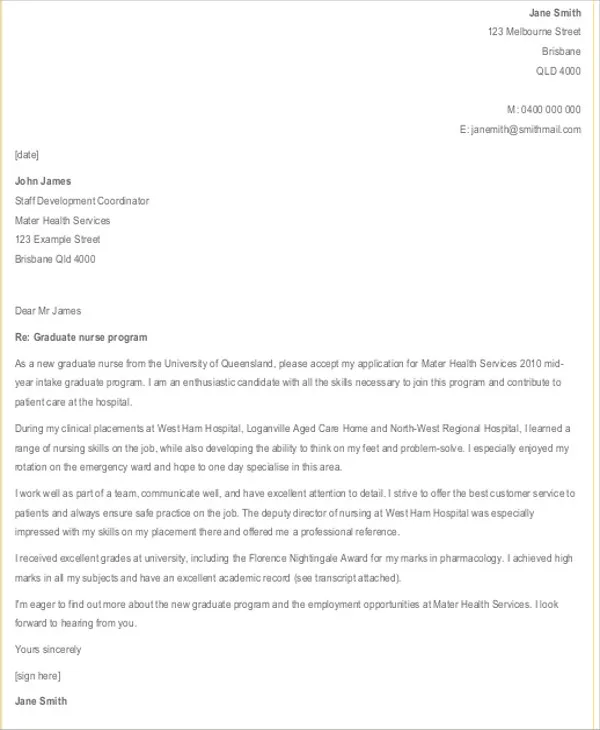
Start your cover letter with your contact information (name, address, phone number, and email address) and the date. This information is essential for the hiring manager to contact you if they are interested in your application. Ensure your email address is professional and easy to read. Include the date below your contact information, aligning it to the left or right.
Addressing the Hiring Manager

Whenever possible, address the hiring manager by name. This shows that you’ve taken the time to research the company and the role, demonstrating your genuine interest. If you can’t find the hiring manager’s name, use a professional greeting, such as “Dear Hiring Manager” or “Dear [Department Name] Team.” Avoid generic greetings such as “To Whom It May Concern,” as they can make your letter seem impersonal. Addressing the letter to a specific person increases the chance that the recipient will feel a personal connection to your application.
Crafting a Compelling Opening
Your opening paragraph is your first and often only chance to grab the hiring manager’s attention. It should immediately state the position you’re applying for and express your enthusiasm for the opportunity. Briefly mention where you saw the job posting and why the role interests you. You can also include a brief statement about your relevant skills or experience to pique their interest. The goal is to make them want to read on and learn more about you. For example, you might start by mentioning a specific skill that directly aligns with the job requirements.
Highlighting Your Skills and Experience
The body of your cover letter is where you demonstrate your qualifications and how they align with the job requirements. Focus on the skills and experiences that are most relevant to the role. Use specific examples to illustrate your abilities and accomplishments. Tailor your examples to match the keywords and requirements mentioned in the job description. Quantify your achievements whenever possible, using numbers and data to demonstrate your impact. It is important to use a clear, concise, and engaging style that makes your cover letter a pleasure to read.
Showcasing Relevant Academic Achievements

As a recent graduate, your academic achievements are crucial. Highlight relevant coursework, projects, and research that demonstrate your knowledge and skills. Mention your GPA if it’s above average, and highlight any honors or awards you’ve received. If you have a thesis or capstone project, briefly describe it and its key findings. Focus on how your academic experiences have prepared you for the role and the skills you’ve developed through your studies. This is especially critical if you lack significant work experience.
Demonstrating Soft Skills and Personality
In addition to technical skills, employers value soft skills such as communication, teamwork, problem-solving, and leadership. Use your cover letter to demonstrate these qualities. Provide examples of situations where you’ve used these skills to achieve a positive outcome. This could be from group projects, extracurricular activities, or internships. Let your personality shine through while maintaining a professional tone. Show enthusiasm and passion for the field and the specific role. Use language that reflects your communication style to help the hiring manager understand who you are.
Quantifying Accomplishments and Results
Whenever possible, quantify your accomplishments. Use numbers, percentages, and data to demonstrate the impact of your work. Instead of saying, “I improved customer satisfaction,” say, “I improved customer satisfaction scores by 15%.” This level of detail adds credibility to your claims and provides concrete evidence of your abilities. If you don’t have direct work experience, quantify your academic achievements or project outcomes. For example, mention the number of people in your group, the percentage of improvement in a project, or any other metrics that show the impact of your work.
Creating a Strong Closing and Call to Action

Your closing paragraph should reiterate your interest in the position and express your eagerness to learn more. Thank the hiring manager for their time and consideration. Include a clear call to action, such as “I would welcome the opportunity to discuss my qualifications further in an interview.” Provide your contact information again, ensuring that the hiring manager can easily reach you. Keep your closing brief, professional, and enthusiastic. The conclusion should reinforce your interest and your confidence that you are a good fit for the role.
Cover Letter Formatting and Design
The formatting and design of your cover letter are just as important as the content. A well-formatted cover letter is easy to read and visually appealing, making a positive impression on the hiring manager. A poorly formatted cover letter, on the other hand, can create a negative impression, even if the content is strong. Choose a font that is easy to read, use clear headings and subheadings to organize your content, and ensure your letter has a professional appearance. Here is a breakdown of the key elements to consider.
Choosing the Right Font and Layout
Select a professional and readable font such as Times New Roman, Arial, Calibri, or Helvetica. Use a font size between 10 and 12 points. Ensure there is sufficient white space to avoid a cluttered appearance. Use 1-inch margins on all sides of the page. Left-align your text and use a single-spaced format with a double space between paragraphs. These formatting choices enhance readability and make your cover letter more approachable. A clean layout demonstrates your attention to detail and professionalism, as well as making it easier for the reader to digest the information.
Ensuring Professionalism and Readability

Maintain a professional tone throughout your cover letter. Avoid slang, jargon, and overly casual language. Use formal language, correct grammar, and spelling. Ensure your writing is clear, concise, and easy to understand. Break up long paragraphs into shorter ones to improve readability. Use bullet points or numbered lists to highlight key skills or accomplishments. Check for any formatting inconsistencies that might distract the reader, and make sure the overall design reflects a polished and professional image. A well-formatted cover letter conveys professionalism.
Proofreading and Editing Your Cover Letter
Proofreading and editing are critical steps to ensure your cover letter is free of errors. Carefully proofread your letter for any typos, grammatical errors, and spelling mistakes. Read your letter aloud to catch any awkward phrasing or sentence structure issues. Ask a friend, family member, or career advisor to review your letter for feedback. Pay attention to the overall flow and clarity of your writing. Ensure that your letter aligns with the job description and highlights your relevant skills and experiences. A well-proofread and edited cover letter shows your attention to detail, and demonstrates your professionalism.
Essential Tips for College Graduates
As a recent college graduate, you have a unique set of strengths and experiences to highlight in your cover letter. Keep in mind that your cover letter is your opportunity to showcase your potential and enthusiasm. By focusing on your achievements, your skills, and your understanding of the role, you can create a cover letter that will impress potential employers and help you land your dream job.
Tailoring Your Letter to Each Job

Avoid using a generic cover letter. Always tailor your letter to the specific job and company. Carefully review the job description and identify the key skills, experiences, and qualifications the employer is seeking. Highlight the relevant skills and experiences in your letter, and provide specific examples that demonstrate your abilities. Research the company and understand its mission, values, and culture. Tailor your language and tone to reflect the company’s brand and values. Showing that you understand the role and the company increases your chances of getting noticed and making a positive impression.
Researching the Company and Role
Before writing your cover letter, research the company and the specific role. Understand the company’s mission, values, and culture. Visit their website, read their press releases, and check their social media profiles. Learn about the role and the responsibilities involved. Read the job description carefully and identify the key skills and experiences the employer is seeking. This research will enable you to tailor your cover letter effectively, demonstrating your interest and understanding of the opportunity. Showing that you’ve done your research is essential in making a strong first impression.
Addressing Gaps in Experience
If you have gaps in your experience, such as a lack of internships or work experience, address them in your cover letter. Explain any relevant skills you’ve gained through other experiences, such as volunteer work, extracurricular activities, or personal projects. Highlight any transferable skills that relate to the job requirements. Focus on your potential and your willingness to learn. Emphasize your enthusiasm and your desire to contribute to the company. Addressing potential gaps in your experience directly can show your ability to be honest, resilient, and proactive.
Seeking Feedback and Revision

Before submitting your cover letter, seek feedback from trusted sources. Ask a career advisor, professor, mentor, or friend to review your letter. They can provide valuable insights on your writing, your formatting, and your overall message. Be open to their suggestions and revise your letter accordingly. Make sure the letter is clear, concise, and persuasive. A fresh perspective can help you identify any areas for improvement and ensure your cover letter is polished and professional. Seeking feedback is a crucial step in creating a strong cover letter.
In conclusion, crafting a compelling cover letter is a critical skill for college graduates. By understanding the purpose of a cover letter, focusing on the key components, and following essential tips, you can create a document that impresses employers and helps you land your dream job. Remember to tailor your cover letter to each job, highlight your relevant skills and experiences, and always proofread carefully. Good luck with your job search!