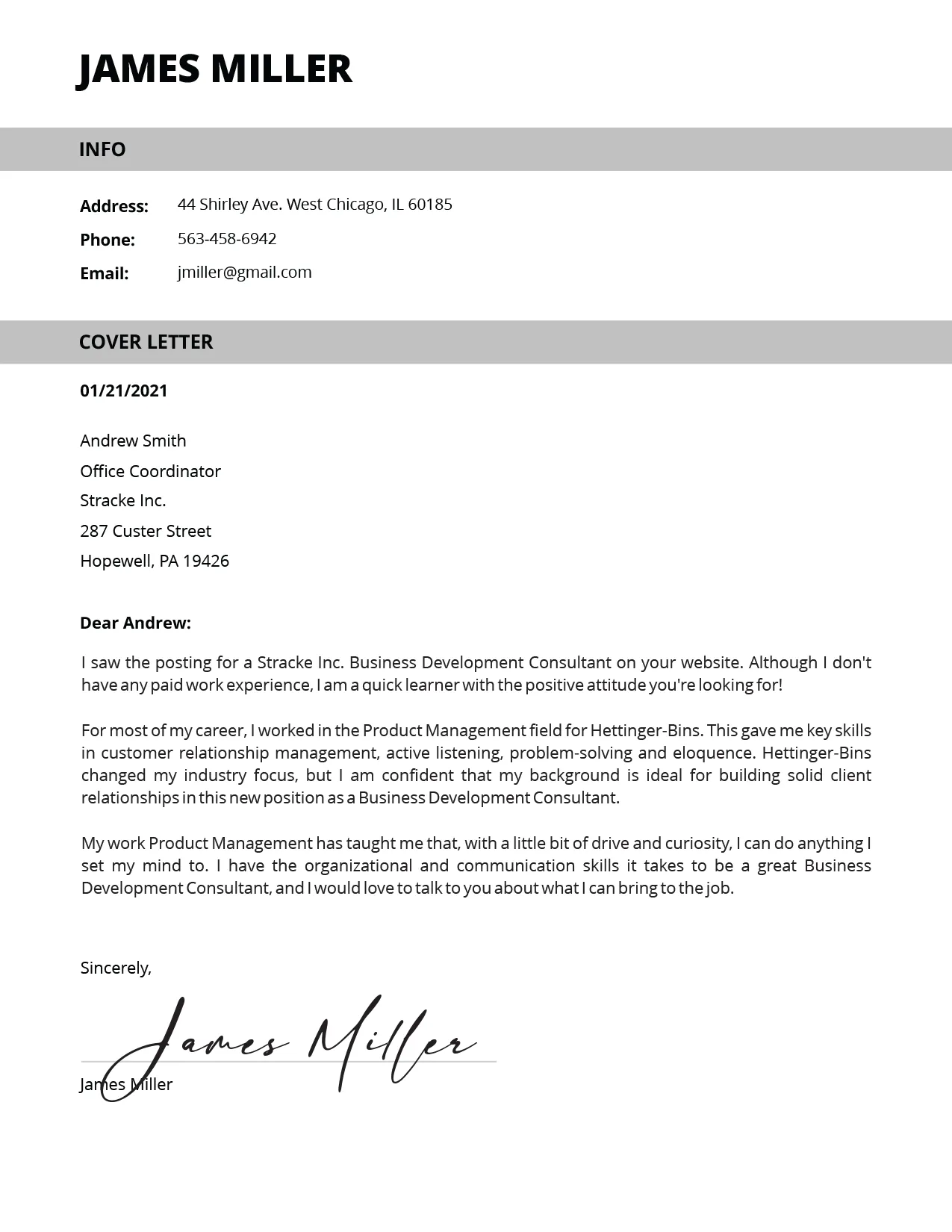
Cover Letter: Why It’s Crucial
In the competitive landscape of job applications, a cover letter can be your secret weapon. It’s more than just a formality; it’s your first opportunity to make a strong impression and distinguish yourself from other candidates. A well-crafted cover letter gives you the space to tell your story, highlight your relevant skills, and express your genuine interest in the specific role and company. Neglecting this crucial step means missing out on a chance to showcase your personality and passion, potentially leading to your application being overlooked. A winning cover letter acts as your personal introduction, setting the stage for your resume and demonstrating why you are the ideal candidate. Many hiring managers first review the cover letter and then decide whether or not to read the resume. A strong cover letter can be the only chance you have to get your resume read.
Understanding the Purpose of a Cover Letter
The primary purpose of a cover letter is to complement your resume and provide context to your application. While your resume lists your qualifications, a cover letter allows you to elaborate on them, demonstrating how your skills and experiences align with the job requirements. It also offers a space to show your personality, enthusiasm, and your understanding of the company’s values and goals. Think of it as a conversation starter – a way to engage the hiring manager and create a connection before the interview stage. A successful cover letter doesn’t just repeat your resume; it expands on your achievements, explains any career gaps, and clarifies your career goals. It is your chance to bridge the gap between your qualifications and the specific needs of the role, increasing your chances of landing an interview.
Highlighting Your Key Skills and Experiences

When writing your cover letter, focus on the skills and experiences that are most relevant to the job description. Carefully analyze the requirements and select the most appropriate examples from your background to showcase your abilities. Instead of simply listing your skills, provide concrete examples of how you’ve used them in the past. For example, if the job requires project management skills, describe a project you led, the challenges you faced, and the successful outcomes. Quantify your achievements whenever possible. Use numbers to demonstrate the impact of your work. Did you increase sales by a certain percentage? Did you streamline a process that saved time or money? This approach not only makes your cover letter more persuasive but also provides tangible evidence of your capabilities, making you stand out from other applicants. Always tailor the skills you choose to fit the job requirements.
What Makes a Cover Letter Stand Out?
A standout cover letter goes beyond the basics; it captures the reader’s attention from the start and maintains their interest throughout. Personalization is key. Research the company and address the hiring manager by name if possible. This shows you’ve taken the time to understand their needs. Make your cover letter unique by showcasing your personality and passion for the role. Don’t be afraid to inject your voice and let your enthusiasm shine through. Focus on what you can offer the company, rather than what you hope to gain. Highlight how your skills and experiences can benefit the organization. Demonstrate that you understand the company’s mission, values, and challenges. By showing you’ve done your homework, you signal that you’re serious about the opportunity and willing to go the extra mile.
Structure Your Cover Letter for Maximum Impact
A well-structured cover letter is easy to read and keeps the hiring manager engaged. Start with a strong opening paragraph that grabs their attention and highlights your interest in the position. The body of your letter should showcase your skills and experience, providing concrete examples of your achievements. Use clear, concise language, avoiding jargon and clichés. Break up your text into short paragraphs with headings and subheadings for improved readability. Always tailor the structure to fit the specific job. The conclusion should reiterate your interest, summarize your key qualifications, and include a call to action, such as expressing your eagerness for an interview. A well-structured cover letter shows your professionalism and attention to detail, increasing the likelihood that the hiring manager will read it thoroughly.
Crafting a Compelling Opening Paragraph

Your opening paragraph is your first – and sometimes only – chance to capture the hiring manager’s interest. It should be concise, engaging, and immediately explain why you’re writing. Avoid generic phrases like “I am writing to express my interest.” Instead, make a statement that highlights your excitement for the role or the company. You can also mention a specific achievement or skill that aligns with the job requirements. A great opening paragraph should quickly establish your connection to the position and the company. Consider a hook – a brief, attention-grabbing statement that piques the reader’s curiosity. This could be a relevant accomplishment, a shared connection to the company, or a mention of something that resonates with the hiring manager. The goal is to immediately demonstrate your value and encourage them to read on.
Showcasing Your Skills and Achievements
The body of your cover letter is where you showcase your skills and accomplishments. Use this section to provide detailed examples of how you have used your skills to achieve success in past roles. Instead of simply listing your responsibilities, highlight specific achievements and quantify your results whenever possible. The best cover letters tell a story, illustrating your abilities and showcasing your impact. Focus on the requirements listed in the job description and use those as your guide. Select the skills and experiences that align most closely with those needs. Each paragraph should have a clear focus, and examples should be relevant and concise. It is critical that the information provided is verifiable. Using examples from your past allows the hiring manager to understand your value.
Tailoring Your Cover Letter to the Job
One of the most important aspects of writing a winning cover letter is tailoring it to each job application. Avoid sending a generic cover letter to every company. This can be easily recognized by hiring managers, and it shows a lack of genuine interest in the specific opportunity. Thoroughly review the job description and identify the key skills, experiences, and requirements. Use those keywords to highlight your qualifications and demonstrate how you meet the company’s needs. The more you tailor your cover letter to the role and company, the more likely you are to capture the hiring manager’s attention. Show that you understand the company’s values, culture, and goals. Addressing the specific needs of the job gives you a major advantage over those who are sending generic applications.
Use Action Verbs and Quantifiable Results

To make your cover letter more impactful, use action verbs to describe your achievements. Verbs such as ‘managed,’ ‘developed,’ ‘implemented,’ and ‘achieved’ create a dynamic and compelling narrative. These words help the hiring manager understand your accomplishments and the impact you made in your previous roles. Also, provide quantifiable results whenever possible. Numbers add credibility to your claims and make it easier for the hiring manager to see the value you bring. Instead of saying “Improved customer satisfaction,” try “Increased customer satisfaction by 20%.” Such information gives the hiring manager objective information about your value and experience. Metrics demonstrate your impact and give your claims weight. They transform vague statements into concrete evidence of your abilities and provide the employer with proof of your value.
Formatting and Design Best Practices
The formatting and design of your cover letter are just as important as the content. Use a clear, professional font like Arial or Times New Roman, and keep the font size between 10 and 12 points. Use a clean and simple layout, with consistent margins and spacing. This will make your cover letter easy to read and visually appealing. Structure the letter logically, with clear headings and subheadings. This helps the hiring manager quickly scan the document and find the information they need. Proofread your cover letter carefully, paying attention to spelling, grammar, and punctuation. Avoid using excessive formatting, such as bolding or italicizing large blocks of text. Maintain a professional tone, using formal language and avoiding slang or informal language. A well-formatted cover letter indicates your attention to detail and respect for the hiring manager’s time.
Proofreading and Editing Your Cover Letter
Before you submit your cover letter, proofread it carefully. Spelling and grammatical errors can damage your credibility and make you appear unprofessional. Read the letter aloud to yourself or have someone else review it. This will help you catch any mistakes you might have missed. Check for consistency in formatting, such as font size, margins, and spacing. Pay close attention to the details, ensuring that your contact information, the date, and the company’s address are correct. Revise any sentences or paragraphs that are unclear or awkward. Make sure your tone is appropriate for the job and the company culture. Proofreading and editing are crucial steps in the cover letter writing process, as they ensure that your letter is polished and professional, representing you in the best possible light. Attention to detail is critical.
Common Mistakes to Avoid

Several common mistakes can undermine the effectiveness of your cover letter. One of the biggest is sending a generic letter that isn’t tailored to the specific job. Avoid simply repeating your resume or writing in a passive voice. Another common error is including irrelevant information. Keep the focus on the skills and experiences that are most relevant to the job description. Always avoid typos and grammatical errors, as these can make a negative impression. Don’t use clichés or overly flowery language. Be concise and clear, using language that is easy to understand. Finally, never send a cover letter without proofreading it first. Take the time to catch errors and ensure that your letter is polished and professional. Knowing what to avoid is just as important as knowing what to include.
Closing Your Cover Letter Effectively
The closing of your cover letter is your final opportunity to leave a lasting impression. Reiterate your interest in the position and summarize your key qualifications. Express your enthusiasm for the opportunity and reiterate your value. Be confident, but avoid being arrogant or overly demanding. End with a clear call to action, such as requesting an interview or providing a way for the hiring manager to contact you. Thank the hiring manager for their time and consideration. Ensure your contact information is easily accessible. Your closing should be concise, enthusiastic, and professional, reinforcing your interest and making it easy for the hiring manager to take the next step. A strong closing will make you stand out and increase your chances of getting the job.