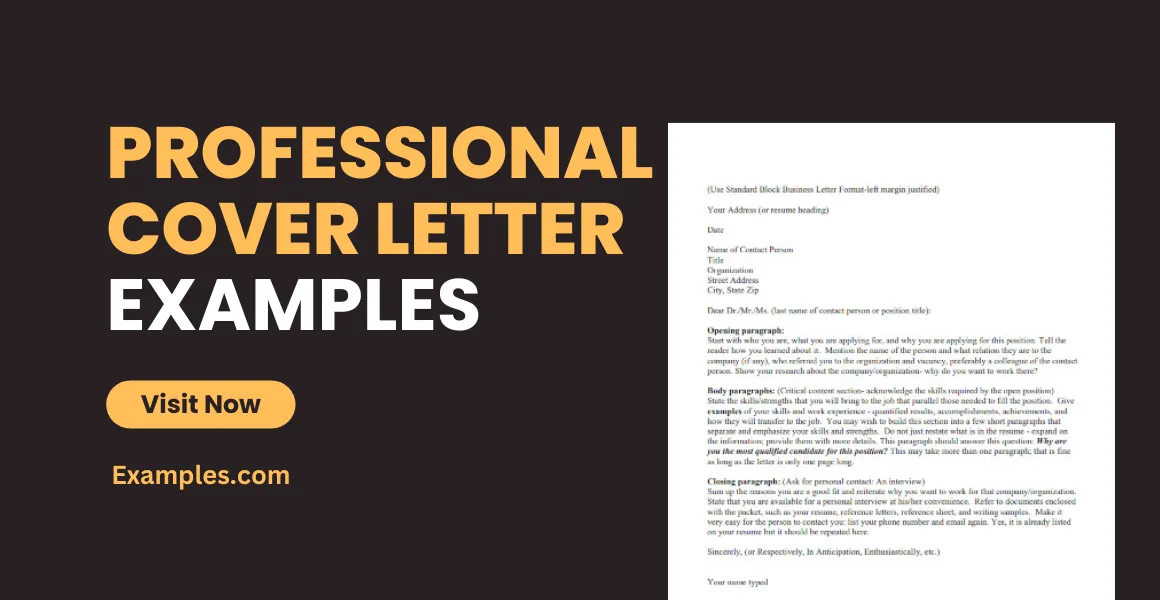
Crafting a Winning Cover Letter
A professional job application cover letter is your first impression, a crucial tool in securing your dream job. It’s an opportunity to introduce yourself, showcase your relevant skills, and express your genuine interest in the position and the company. Unlike a resume, which lists your experiences, a cover letter allows you to tell your story, explain why you’re a perfect fit, and demonstrate your enthusiasm. A well-crafted cover letter significantly increases your chances of getting noticed by hiring managers and landing an interview. This guide will walk you through the process of creating a compelling cover letter that grabs attention and helps you stand out from the competition. Remember that every cover letter should be tailored to each job application.
Understanding the Purpose of a Cover Letter
The primary purpose of a cover letter is to complement your resume by providing context and personality. It’s your chance to explain why you’re the ideal candidate beyond what’s listed on your resume. A cover letter allows you to articulate your career goals, highlight your most relevant skills and experiences, and demonstrate your understanding of the role and the company. A successful cover letter convinces the hiring manager to read your resume and, ultimately, invite you for an interview. It acts as a persuasive sales pitch, selling your unique value proposition to the potential employer and emphasizing the benefits of hiring you. The cover letter also helps you to establish your professional brand.
Highlighting Your Skills and Experience

Focus on the skills and experiences that align with the job description’s requirements. Don’t just list your responsibilities; showcase your achievements and how you’ve used your skills to deliver results. Use specific examples to illustrate your capabilities. When highlighting your experience, think about what the employer is looking for and connect those needs to your past accomplishments. The body paragraphs of your cover letter should provide concrete examples of your skills in action. This could include specific projects you’ve managed, problems you’ve solved, or positive outcomes you’ve achieved in previous roles. Be sure to quantify your achievements whenever possible; use numbers and data to support your claims and make them more impactful.
Researching the Company and Job
Before you start writing, research the company thoroughly. Understand their mission, values, and recent activities. This shows that you’re genuinely interested in the company and not just applying for any job. Study the job description carefully. Identify the key skills, qualifications, and responsibilities the employer is seeking. Tailor your cover letter to address these specific requirements, demonstrating how your skills and experiences align with their needs. Show the hiring manager that you’ve done your homework and understand what the role entails. This level of preparation will set you apart from other applicants who may send generic cover letters.
Tailoring Your Cover Letter
Each cover letter must be customized for the specific job you are applying for. Avoid using a generic template. Instead, adapt your cover letter to the specific requirements of each position. This means highlighting the skills and experiences that are most relevant to the job description and demonstrating how your qualifications align with the company’s needs. Customize your cover letter to reflect the company’s culture and values. Reviewing the company website, social media profiles, and recent news articles can help you understand their values. Consider including a sentence or two about why you are excited about the specific opportunity. Make it clear that you’ve read the job description and understand what the role entails.
Structuring Your Cover Letter for Success

A well-structured cover letter is easy to read and makes a strong impact. A standard cover letter structure typically includes a header, salutation, opening paragraph, body paragraphs, closing paragraph, and call to action. Each section serves a specific purpose in conveying your qualifications and interest. Proper formatting enhances the readability of your letter and highlights its key points. Using concise language, clear paragraphs, and effective formatting helps to ensure your cover letter is clear and compelling. Keep your letter to one page. This length is ideal for quickly capturing the reader’s attention without overwhelming them with too much information. Each component of your letter should work harmoniously to create a cohesive and persuasive narrative.
The Header Section
The header of your cover letter should include your contact information and the date. Include your full name, phone number, email address, and optionally, your LinkedIn profile URL. Ensure that your contact information is up-to-date and professional. Below your contact information, add the date. Then, include the hiring manager’s name (if known), their title, and the company’s address. If you don’t know the hiring manager’s name, research to find out. Addressing your cover letter to a specific person shows that you’ve taken the time to investigate and personalize your application. This information is crucial for the recruiter to quickly identify you and how to contact you if needed.
The Salutation
Use a formal salutation, such as “Dear Mr./Ms./Mx. [Last Name],” if you know the hiring manager’s name. Avoid informal greetings. If the hiring manager’s name is unavailable, use a professional greeting like “Dear Hiring Manager.” Make sure the salutation matches the tone and style of the company. Address your cover letter to the right person to show that you value their time and want to connect with them personally. This also highlights that you’re truly interested in the specific role.
The Opening Paragraph

The opening paragraph is your first chance to grab the reader’s attention. State the position you’re applying for and how you learned about it. Briefly mention why you’re interested in the role and the company. Immediately highlight your most relevant qualification or skill. Consider using a concise, compelling statement that quickly captures the reader’s interest. It should make the hiring manager want to continue reading. Express enthusiasm for the opportunity and a clear understanding of the job requirements to hook the recruiter from the very beginning.
Body Paragraphs Showcasing Value
The body paragraphs are where you elaborate on your skills and experiences. Provide specific examples that demonstrate your qualifications and accomplishments. Use the STAR method (Situation, Task, Action, Result) to structure your examples. This method helps you create concise, impactful stories that show how you’ve delivered results. Focus on the key skills and experiences mentioned in the job description. It’s crucial to demonstrate how your skills match the requirements of the job and contribute value to the company. Each paragraph should focus on a specific skill or achievement, using clear, concise language to create a persuasive narrative that connects your experience to the job requirements.
Quantifying Achievements
Whenever possible, quantify your achievements. Use numbers and data to showcase your accomplishments. For example, instead of saying “Improved sales,” say “Increased sales by 20% in six months.” This makes your accomplishments more tangible and impressive. Quantifiable results prove the impact of your work. Use statistics, percentages, and specific figures to demonstrate your contributions. Use data to back up your claims to make your qualifications more compelling and to prove your value to the employer. Providing specific numbers helps to demonstrate the tangible outcomes of your actions and shows your ability to drive results.
Using Action Verbs

Start your sentences with strong action verbs. This makes your writing more dynamic and engaging. Examples of action verbs include “Managed,” “Developed,” “Implemented,” “Achieved,” “Led,” and “Increased.” Action verbs make your cover letter more powerful. Use verbs that accurately describe your achievements and responsibilities. This helps to highlight your skills and demonstrate your capabilities. Choosing the correct action verbs can create a more powerful narrative and quickly convey your accomplishments to the hiring manager.
The Closing Paragraph and Call to Action
In the closing paragraph, restate your interest in the position and express your enthusiasm for the opportunity. Thank the hiring manager for their time and consideration. Include a clear call to action, such as requesting an interview or indicating your availability for a follow-up. Be confident and proactive in your closing. Reiterate your interest in the role. Reiterate your enthusiasm and invite the hiring manager to contact you. It’s important to end your cover letter with a strong, positive message. Express your availability and show you’re ready to proceed with the next steps of the hiring process.
Formatting and Design
The formatting and design of your cover letter can significantly impact its readability and the impression it makes. Using proper formatting and design elements is a key element in the appearance of your cover letter. Make sure your cover letter is easy to read and visually appealing. A well-formatted cover letter helps the reader to focus on the content. Ensure that your message comes across clearly.
Font and Readability

Choose a professional and easy-to-read font. Common fonts like Times New Roman, Arial, and Calibri are usually safe choices. Use a font size between 10 and 12 points. Maintain consistent formatting throughout your cover letter. Ensure that your font size, spacing, and margins are uniform. Use appropriate margins (1 inch on all sides) and double-space between paragraphs for improved readability. This helps create a visually clean and professional look, making it easier for the hiring manager to read and understand your message.
Professional Tone and Grammar
Maintain a professional tone throughout your cover letter. Avoid slang, jargon, or overly casual language. Use correct grammar, spelling, and punctuation. Proofread carefully for any errors. Writing with a professional tone helps you to create the right impression on the hiring manager. Ensure that your cover letter reads smoothly and is free from errors. The language used in your cover letter conveys your attention to detail. A well-written cover letter reflects your professionalism, and attention to detail, which shows your abilities.
Proofreading and Editing
Proofreading is a critical step in the cover letter writing process. Carefully proofread your cover letter for any spelling, grammar, or punctuation errors. Ensure your formatting is consistent and professional. It’s helpful to have someone else proofread your cover letter. Fresh eyes can catch mistakes that you might miss. Reviewing your letter before submitting it guarantees that you’re making your best impression. Reviewing your letter is crucial for highlighting your value to the potential employer.
Cover Letter Mistakes to Avoid

Avoiding common mistakes can greatly improve the effectiveness of your cover letter. By understanding common errors, you can ensure your cover letter is impactful and helps you stand out from the competition. Being aware of the common mistakes helps you to present yourself professionally and avoid making any negative impressions. Avoiding these mistakes will help you create a better and more compelling cover letter, thereby increasing your chances of landing your dream job.
Generic Cover Letters
Avoid using generic cover letters that are not tailored to the specific job or company. Such letters are often easily recognizable and do not show a genuine interest in the opportunity. Tailor each cover letter to the specific job description and the company’s values. Customizing your cover letter shows the hiring manager that you have taken the time to understand the role and the organization. Tailoring your cover letter is a must to create a strong impact on the hiring manager.
Typos and Grammatical Errors
Typos and grammatical errors can make you look unprofessional and damage your credibility. Always proofread your cover letter carefully, and have someone else review it as well. Errors can distract the reader and create a negative impression. A polished cover letter demonstrates your attention to detail. Make sure your cover letter is free from errors and it reflects your commitment to quality. A clean, professional cover letter will enhance your reputation. Using software to help proofread is a great help.
Negativity and Complaining

Avoid negativity or complaining about previous employers or situations. Keep your cover letter positive and focus on your strengths and accomplishments. A positive attitude and a forward-thinking approach reflect well on your professional brand. Negative language can create a poor impression and distract from your qualifications. Always keep a positive tone to showcase your strengths.
Submitting Your Cover Letter
Follow the instructions provided in the job posting for submitting your cover letter and resume. If the posting requests a specific file format, make sure you use it. Always send your cover letter and resume in a professional format, such as PDF. Before submitting, double-check all your contact information. Make sure everything is clear and up-to-date. Submitting your cover letter correctly is crucial. A well-prepared cover letter will impress the hiring manager and greatly increase your chances of getting an interview.