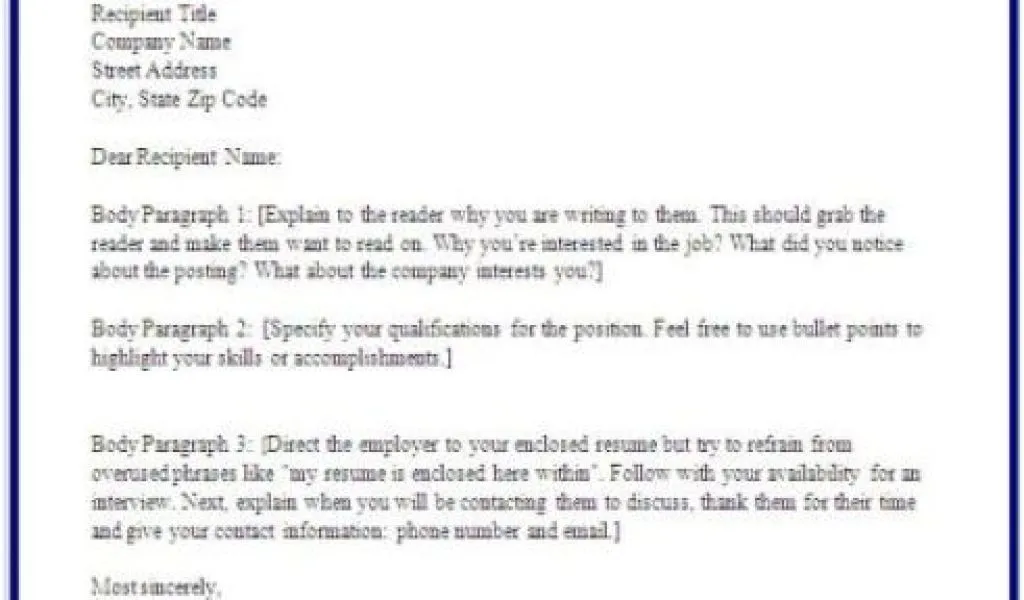
The Power of a Cover Letter
In the competitive landscape of modern job applications, every advantage counts. While your resume provides a snapshot of your professional background and skills, a well-crafted cover letter serves as your personal introduction and an opportunity to make a compelling case for why you are the ideal candidate. Many job seekers question the necessity of a cover letter, often wondering if it’s still relevant in today’s digital age. The truth is, a cover letter offers numerous benefits that can significantly boost your chances of landing an interview and ultimately, securing the job. This article will delve into the top 5 benefits of using a cover letter, illustrating why it remains a crucial tool in any job seeker’s arsenal. Understanding these advantages will help you make an informed decision about whether or not to include one with your resume and how to best leverage it to your advantage.
Benefit 1 Enhanced Personalization
One of the primary advantages of a cover letter is the ability to personalize your application. A resume is generally a standardized document, providing a summary of your experience and qualifications. A cover letter, however, allows you to tailor your message to the specific job and the needs of the hiring manager. This level of customization demonstrates that you’ve taken the time to understand the role and the company, and that you are genuinely interested in the opportunity. By addressing the specific requirements outlined in the job description, you can show how your skills and experiences align with what the employer is seeking. This targeted approach immediately makes you stand out from generic applicants.
Tailoring to the Job Description

Carefully reviewing the job description and explicitly referencing the required skills and qualifications is key to tailoring your cover letter. For instance, if the job posting emphasizes project management skills, you can highlight your experience leading successful projects and provide specific examples of your achievements. Avoid simply restating your resume; instead, expand on your experiences and explain how they have equipped you to excel in the role. Mentioning the company’s specific goals and values in your letter further demonstrates your alignment with their culture. Showing your deep understanding of the employer’s requirements will capture their attention and increase the likelihood of getting you noticed.
Highlighting Relevant Skills
A cover letter provides an excellent space to elaborate on your most relevant skills and experiences. You can use it to showcase how your abilities align with the job’s requirements in a more narrative form than a resume. Instead of simply listing skills, describe how you’ve utilized them to achieve tangible results. This context allows the hiring manager to better understand your capabilities. For example, if the job requires strong communication skills, you could provide a specific example of how you successfully mediated a conflict, presented to a large audience, or crafted a persuasive proposal. Highlighting your skills in a narrative allows you to stand out and creates a compelling case for your candidacy, setting you apart from applicants who only list their skills without demonstrating application.
Benefit 2 Showcasing Personality and Passion
Resumes, while informative, often lack the opportunity to express your personality and genuine enthusiasm. A cover letter, on the other hand, is your chance to connect with the hiring manager on a more personal level. It allows you to show your passion for the role, the company, and the industry. This emotional connection can be the deciding factor in a competitive job market. A well-written cover letter conveys your excitement, demonstrates your understanding of the company’s mission, and portrays your commitment to contributing to their success. In essence, it gives the hiring manager a glimpse into your character, which can be just as important as your skills and qualifications.
Demonstrating Enthusiasm for the Role

Use your cover letter to communicate your genuine interest in the specific job and the company. Explain why you’re excited about the opportunity, what aspects of the role appeal to you, and how you see yourself contributing to the team. Referencing specific projects, initiatives, or values that resonate with you can effectively convey your enthusiasm. By demonstrating your eagerness to join the company, you will signal to the hiring manager that you are not just looking for any job, but the right job. Moreover, researching the company, its culture, and its current projects will help you demonstrate your understanding and passion. This research shows your commitment and willingness to go above and beyond, which is crucial in leaving a strong impression.
Revealing Your Unique Value Proposition
A cover letter allows you to showcase what makes you unique and how you can contribute to the company’s success. Highlight your key strengths and accomplishments that are most relevant to the role. Emphasize what differentiates you from other applicants, whether it’s a unique skill set, a specific experience, or a particular perspective. By articulating your unique value proposition, you make it clear to the hiring manager what you can bring to the table. Make sure to back up your claims with specific examples of how you’ve used your skills and experiences to achieve positive results. This personalized presentation creates a compelling narrative that resonates with the employer and sets you apart from the crowd.
Benefit 3 Bridging Employment Gaps
Employment gaps and career transitions can raise concerns for hiring managers. A cover letter provides an opportunity to address these issues proactively. It allows you to provide context for any gaps in your employment history and explain how you’ve utilized that time productively. This transparency can help alleviate potential concerns and demonstrate that you are prepared to discuss these matters. Moreover, a cover letter gives you the chance to frame your experiences in a positive light and show how your unique background has shaped your skills and experiences. Addressing these issues directly can prevent the hiring manager from making assumptions that could negatively impact your application.
Explaining Career Transitions

If you are changing careers, a cover letter is essential for explaining your motivations and demonstrating how your skills transfer to the new role. Clearly articulate your reasons for the career shift, highlight the transferable skills you possess, and show how your experience aligns with the requirements of the new position. It is essential to express your enthusiasm and demonstrate your understanding of the new industry. For example, if you’re transitioning from marketing to project management, you might highlight your skills in communication, organization, and leadership. By explaining your career transition in a cover letter, you provide the context that helps hiring managers understand your career goals and appreciate your value.
Addressing Potential Concerns
Sometimes there may be specific concerns that a hiring manager might have based on your resume, such as a short tenure in previous roles or a lack of certain qualifications. The cover letter allows you to directly address these potential concerns. Provide clear and concise explanations for any employment gaps or unusual circumstances. Frame these situations in a positive light, highlighting what you have learned and how you have grown from them. By being proactive and addressing any potential red flags, you demonstrate honesty and professionalism. This approach can mitigate any negative assumptions the hiring manager might have and provide you with the opportunity to showcase your resilience and adaptability.
Benefit 4 Improving Your Overall Application
A cover letter acts as a companion to your resume, enhancing your entire application. It provides an opportunity to provide more detail, showcase your communication skills, and demonstrate your attention to detail. A well-written cover letter reflects your professionalism and commitment to the job application process. It also sets you apart from other candidates who might only submit a resume. Including a cover letter indicates that you’re willing to go the extra mile, which impresses hiring managers and increases the chances of your application being noticed.
Strengthening First Impressions

The cover letter is often the first impression you make on a hiring manager. A well-written letter demonstrates your writing skills, attention to detail, and professionalism. It is a reflection of your personal brand, and it sets the tone for your application. By investing time in crafting a thoughtful and compelling cover letter, you can create a positive first impression that captivates the hiring manager and encourages them to review your resume more closely. Ensure your letter is free of errors, well-formatted, and tailored to the specific role to maximize its impact. This initial impression can be crucial in determining whether your application advances to the next stage of the hiring process.
Providing Context and Clarity
A cover letter provides context and clarity to your application by expanding on the information presented in your resume. It allows you to provide specific examples, elaborate on achievements, and demonstrate how your skills and experiences align with the job requirements. By using a cover letter to provide this extra layer of detail, you can paint a more complete picture of your qualifications. This can be especially useful if your resume includes a brief overview of your skills or experience. Your letter’s narrative can help the hiring manager understand the full scope of your capabilities and how they translate to the requirements of the job.
Benefit 5 Increasing Your Interview Chances
Ultimately, the goal of a cover letter is to increase your chances of getting an interview. A compelling cover letter grabs the hiring manager’s attention, encourages them to delve deeper into your qualifications, and makes you stand out from the competition. It provides the opportunity to demonstrate why you are a great fit for the role, the team, and the company. A well-crafted cover letter will create a positive impression, showcase your strengths, and convince the hiring manager to invite you for an interview. When done correctly, it can be the pivotal difference between getting your foot in the door and being overlooked.
Making a Memorable Impact

A cover letter allows you to make a memorable impact on the hiring manager. It is your chance to demonstrate your writing skills, creativity, and personality in a way that a resume cannot. The more effort you put into crafting a compelling cover letter, the more likely you are to leave a lasting impression. Be sure to use language that reflects your enthusiasm, highlight your unique value, and personalize your message to the specific job and company. Creating a memorable impact can lead to a more positive initial impression, making the hiring manager more interested in getting to know you better and discuss your qualifications in an interview.
Standing Out from the Competition
In a competitive job market, standing out is essential. Submitting a well-crafted cover letter automatically sets you apart from applicants who choose not to include one. A cover letter shows that you are willing to go the extra mile and that you are committed to securing the job. Use your cover letter to highlight your unique skills and experiences, express your enthusiasm for the role, and tailor your message to the specific needs of the hiring manager. By taking these steps, you can position yourself as a top contender and increase your chances of advancing through the interview process, setting you apart from the myriad of candidates.
Conclusion Is a Cover Letter Always Necessary
While a cover letter offers many benefits, it is not always a strict requirement for every job application. Certain factors can influence whether a cover letter is necessary or merely recommended. Understanding these nuances helps job seekers make informed decisions about their application strategies. Consider the company’s culture, the industry’s norms, and the specifics of the job description when deciding whether or not to include a cover letter. Generally, the advantages of submitting a well-written cover letter outweigh the disadvantages.
When a Cover Letter Might Not Be Needed

In some instances, a cover letter may not be necessary. If the job posting explicitly states that a cover letter is not required, it is generally safe to omit one. Additionally, in some industries or for certain types of roles, such as technical positions, the focus may be primarily on the resume and qualifications. However, even in these situations, a cover letter can provide added value if you feel it helps demonstrate your fit for the role. Always carefully review the job posting instructions and use your best judgment to determine the most appropriate approach.
When a Cover Letter is Highly Recommended
In most cases, a cover letter is highly recommended. When the job description specifically requests a cover letter, it is essential to include one. This indicates that the employer values the additional information and insights a cover letter provides. Furthermore, if you want to stand out from other applicants, a cover letter can be an excellent tool. It gives you a platform to showcase your personality, highlight relevant skills, and tailor your message to the specific requirements of the job. Moreover, if you have any employment gaps, career transitions, or other factors that need explaining, a cover letter provides the ideal opportunity to address these issues proactively and positively.