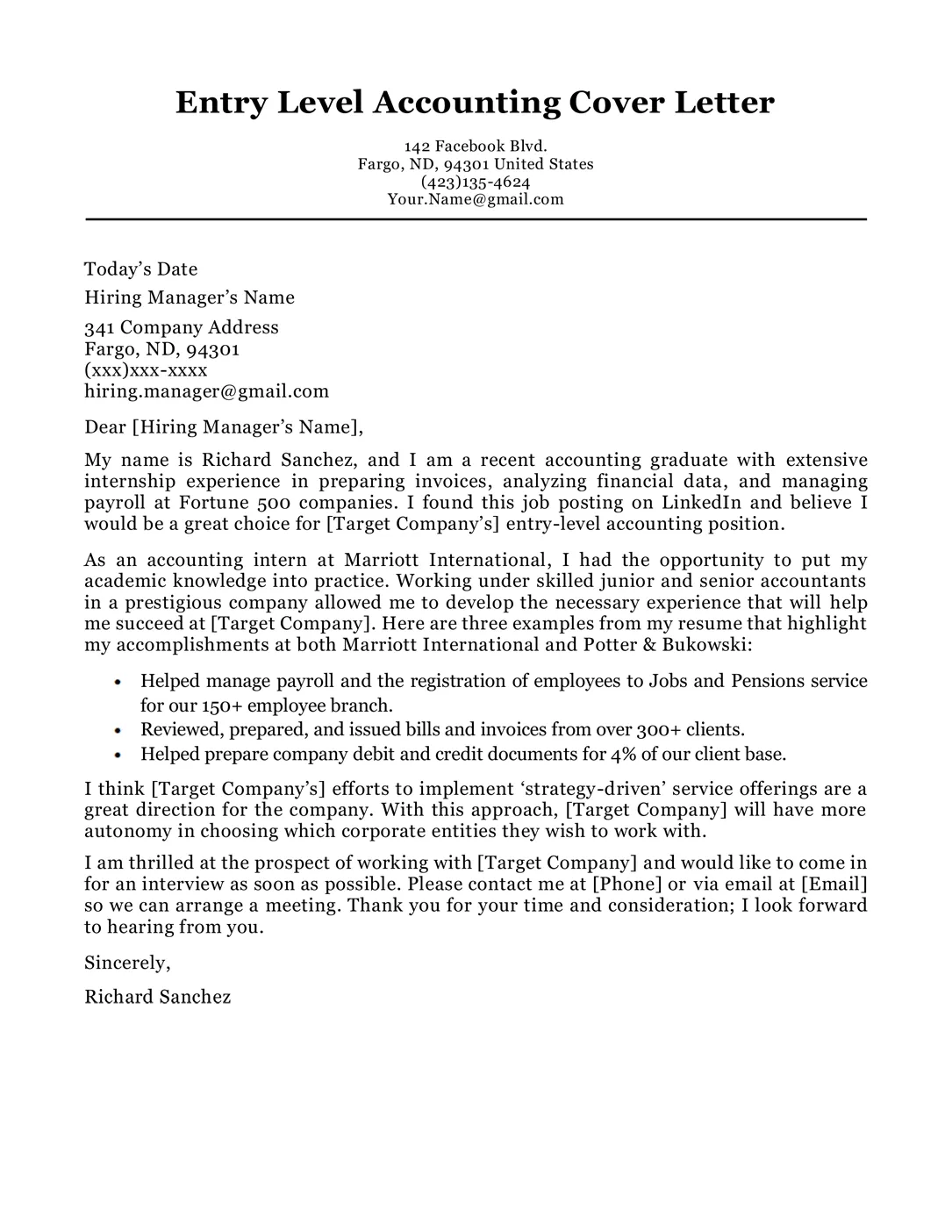
What is an Accounting Cover Letter
An accounting cover letter is a crucial document that accompanies your resume when you apply for an accounting position. It serves as an introduction to your skills, experience, and qualifications, allowing you to highlight why you are the ideal candidate for the job. It provides an opportunity to showcase your personality and express your enthusiasm for the role and the company. Unlike a resume, which provides a factual overview of your career history, a cover letter allows you to tell a story, connecting your experiences to the specific requirements of the job description. It is a chance to make a strong first impression and convince the hiring manager to invite you for an interview. Crafting a well-written cover letter can significantly increase your chances of getting noticed and landing your dream accounting job.
Why is an Accounting Cover Letter Important
The importance of an accounting cover letter cannot be overstated in today’s competitive job market. It provides an opportunity to differentiate yourself from other applicants by demonstrating your understanding of the role and the company’s needs. Hiring managers often read cover letters first to assess your communication skills, attention to detail, and enthusiasm for the position. A strong cover letter allows you to expand on your resume by providing context to your achievements and skills, making them more relevant to the specific job. It also enables you to address any gaps in your experience or explain career transitions. Moreover, a well-crafted cover letter shows that you have taken the time to research the company and tailor your application, indicating your genuine interest in the opportunity. In a field like accounting, where precision and communication are highly valued, a cover letter is a testament to your professionalism and attention to detail.
Key Elements of a Strong Accounting Cover Letter

Several key elements contribute to a compelling accounting cover letter. First, the letter should be addressed to a specific person whenever possible; research the hiring manager’s name and title. Clearly state the position you are applying for and where you found the job posting. The body of the letter should highlight your most relevant skills and experience, using specific examples to illustrate your accomplishments. Quantify your achievements whenever possible; for instance, mention how you improved efficiency, reduced costs, or streamlined processes. It is also vital to demonstrate your understanding of the company and the role by mentioning how your skills align with their needs and values. Express your enthusiasm for the opportunity and explain why you are a good fit for the company culture. Finally, include a call to action, such as requesting an interview, and thank the reader for their time and consideration.
Formatting and Structure of Your Cover Letter
A well-formatted cover letter is as important as its content. Start with your contact information, followed by the date, and the hiring manager’s contact details. Use a professional business letter format, with clear paragraphs and appropriate spacing. The opening paragraph should immediately grab the reader’s attention by stating the position you’re applying for and expressing your interest. The body of the letter should consist of two to three paragraphs, highlighting your key skills and experience, with specific examples and quantifiable results. Ensure each paragraph focuses on a particular aspect of your qualifications. Use clear and concise language, avoiding jargon or overly complex sentences. The closing paragraph should reiterate your interest, summarize your key qualifications, and include a call to action, such as requesting an interview. Maintain a professional tone throughout the letter, and proofread it carefully for any grammatical errors or typos.
Writing a Compelling Opening
The opening paragraph is your chance to make a strong first impression. Instead of starting with a generic sentence, such as “I am writing to apply for the position,” aim for something more engaging. You might mention how you learned about the position, express your enthusiasm, or highlight a key skill or experience that aligns with the job requirements. For example, you could start by saying, “I was excited to see the opening for a Senior Accountant at [Company Name], as my experience in financial reporting aligns perfectly with the requirements outlined in the job description.” Alternatively, you could mention a recent achievement or a specific project that demonstrates your skills. The goal is to capture the hiring manager’s attention and make them want to read further. Tailor your opening to the specific company and role, showing that you have taken the time to understand their needs and values.
Highlighting Your Skills and Experience

The body of your cover letter is where you showcase your skills and experience, connecting them to the requirements of the job description. Begin by identifying the key skills and qualifications the employer is seeking, such as proficiency in accounting software, experience with financial analysis, or knowledge of specific regulations. Then, provide specific examples of how you have demonstrated these skills in your previous roles. Use the STAR method (Situation, Task, Action, Result) to structure your examples, providing context, outlining the challenges, describing your actions, and quantifying the results. For instance, instead of saying “I managed accounts payable,” you could write, “In my role as an Accounts Payable Specialist at [Company Name], I managed over 500 invoices monthly, resulting in a 15% reduction in processing time and improved vendor relations.” This approach provides concrete evidence of your capabilities and makes your application more impactful.
Quantifying Your Achievements
Quantifying your achievements is a powerful way to demonstrate the value you bring to a company. Whenever possible, use numbers and data to illustrate your accomplishments. For example, instead of saying “I improved efficiency,” state “I improved the efficiency of the month-end closing process, reducing the closing time by 20%.” Other examples of quantifiable achievements include reducing costs, increasing revenue, improving accuracy, or streamlining processes. Providing specific numbers makes your achievements more credible and allows the hiring manager to see the tangible impact you have made in previous roles. When describing your achievements, use action verbs to showcase your abilities and focus on the results you achieved. This approach not only highlights your skills but also demonstrates your ability to deliver results.
Tailoring Your Cover Letter to the Job
Tailoring your cover letter to each specific job is essential for making a strong impression. Avoid sending generic cover letters; instead, carefully review the job description and identify the key skills, experience, and qualifications the employer is seeking. Then, customize your cover letter to address these requirements directly. Highlight the relevant skills and experiences from your background, providing examples of how you have successfully applied them in previous roles. Research the company and its values, and mention how your skills and experience align with their needs and culture. Show that you understand the company’s mission and goals and that you are genuinely interested in the opportunity. By tailoring your cover letter, you demonstrate that you have taken the time to understand the specific requirements of the job and that you are a good fit for the role and the company.
Proofreading and Editing Your Cover Letter

Proofreading and editing your cover letter is a crucial step in the application process. Errors in grammar, spelling, and punctuation can undermine your credibility and leave a negative impression on the hiring manager. After writing your cover letter, take the time to carefully review it for any mistakes. Read the letter aloud to catch any awkward phrasing or sentences. Use a grammar and spell checker to identify any errors. It can also be helpful to have a friend or colleague review your cover letter; a fresh pair of eyes can often spot errors that you may have missed. Ensure that the formatting is consistent and professional, with clear paragraphs and appropriate spacing. A polished and error-free cover letter demonstrates your attention to detail and professionalism, which are highly valued in the accounting field.
Common Mistakes to Avoid
There are several common mistakes to avoid when writing an accounting cover letter. Avoid using generic templates without customizing them to the specific job. Do not simply restate your resume; instead, provide additional context and highlight your achievements. Avoid focusing solely on what you want from the job; instead, emphasize what you can offer the company. Do not include irrelevant information or information that is not directly related to the job requirements. Avoid using jargon or overly complex language. Avoid making spelling or grammatical errors. Do not send a cover letter that is too long; aim for one page. Avoid a negative tone or complaining about previous employers. By avoiding these common mistakes, you can create a cover letter that effectively showcases your skills and experience and helps you stand out from the competition.
In conclusion, a well-crafted accounting cover letter is a vital tool for job seekers in this competitive field. By following the guidelines outlined in this guide, you can create a cover letter that effectively showcases your skills, experience, and qualifications, increasing your chances of securing an interview. Remember to highlight your achievements, quantify your results, and tailor your letter to each specific job. Good luck with your job search!